
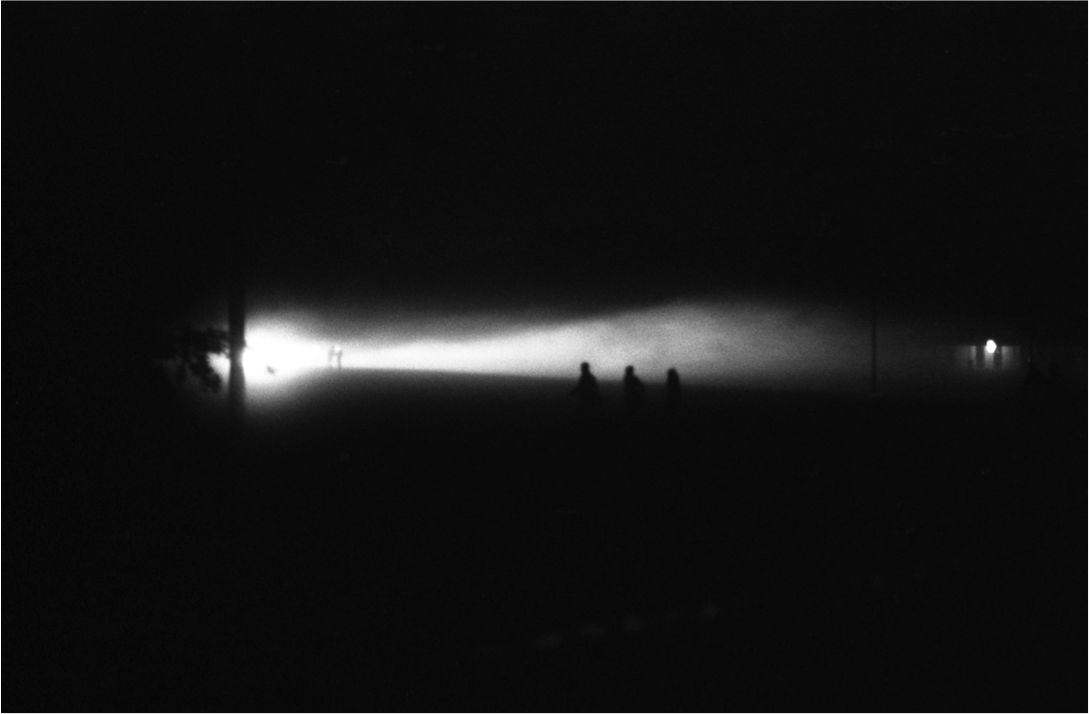
“Silence was a deeply established tradition. Men used it as a form of self-protection; it saved those who had experienced the horrors of war from the emotional trauma of experiencing it all over again in the telling. And it saved women and children, back home, from the terrible knowledge of what they had seen and walked away from.”
– David Malouf
David Malouf argues in his seminal essay on the topic entitled ‘The One Day,’ that ‘ANZAC Day has established itself in the minds of Australians as the one day that we celebrate as a truly national occasion’.[1] Whether or not I agree with this definition, it is undeniable that the day has lodged itself firmly into our national psyche. History tells us that it was not always this way. Malouf again, explains that 50 years ago ‘it was pretty well accepted that Anzac Day was a dying institution’.[2] Today, more people than ever before are turning up to dawn service celebrations around the country, rising at ungodly hours to take part in this collective remembrance. For Malouf, much of his generation’s rejection of the day came down to the fact that it still seemed so close. He reminds us that ‘no generation of Australians after 1870 had at that point escaped the call to arms’.[3] Paul Daley confirms that ‘official commemoration is, arguably, at its most ideal when the pain is all gone’.[4]
On the graves of those killed, identified and buried abroad during World War I, family and next of kin were given just 66 characters to sum up a life. Such brevity seemed to define all mourning of the time. ‘ANOTHER LIFE LOST HEARTS BROKEN FOR WHAT’ reads one. ‘HOW MUCH OF LOVE AND LIGHT AND JOY IS BURIED WITH OUR DARLING BOY’[5] reads another. In their eloquence, and in the gaping silence that stands in between then and now, the question emerges of how these victims and the grieving survivors of their time would view today’s Anzac memorialisation.
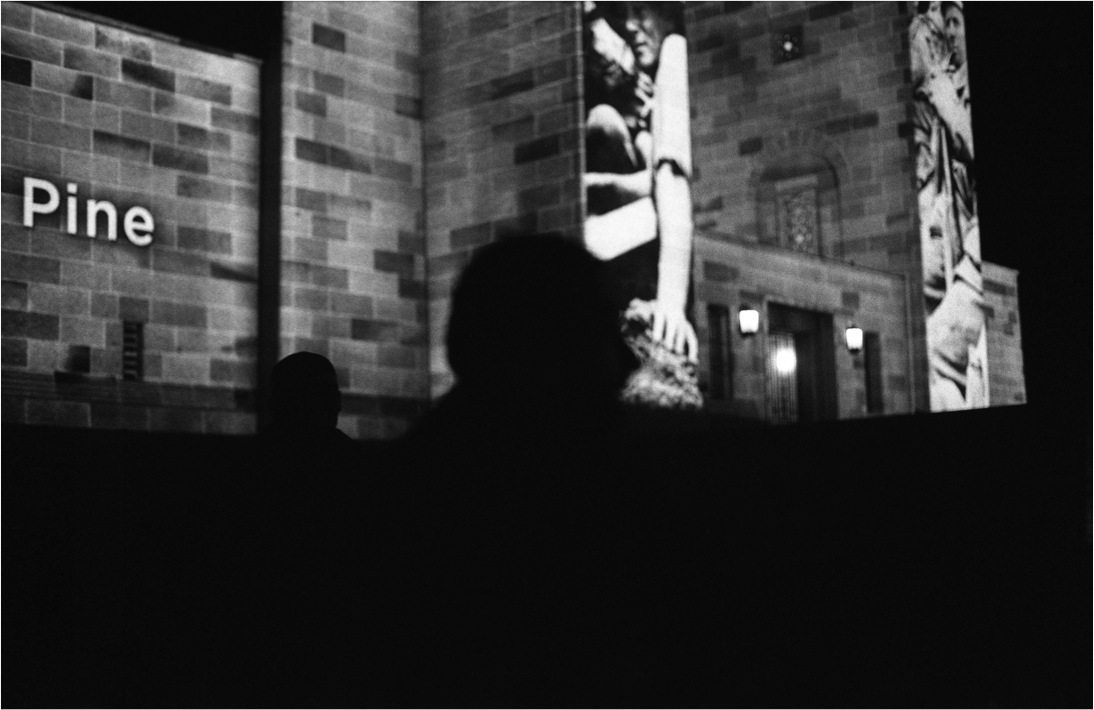
Those who fought in WWI had silence on their side, in more ways than just death. Malouf points out that, the Australian men who did return ‘produced no account, either in fiction or poetry, of what they had seen and suffered’.[6] Sure, there are diaries, many now kept in the National War Memorial Museum in Canberra, but no art, no re-imaging or re-framing of their pain. In the immediate years preceding the war, Australians were forced to turn abroad for ‘the kind of savage introspection that experience of trench warfare demanded’.[7] Since then, we have seen the emergence of our own World War I literature, but it never came from those who experienced it. ‘The men who had actually been there remained silent to the end’.[8] What does it mean that our experience of this historical moment is through the imagination of a later generation?
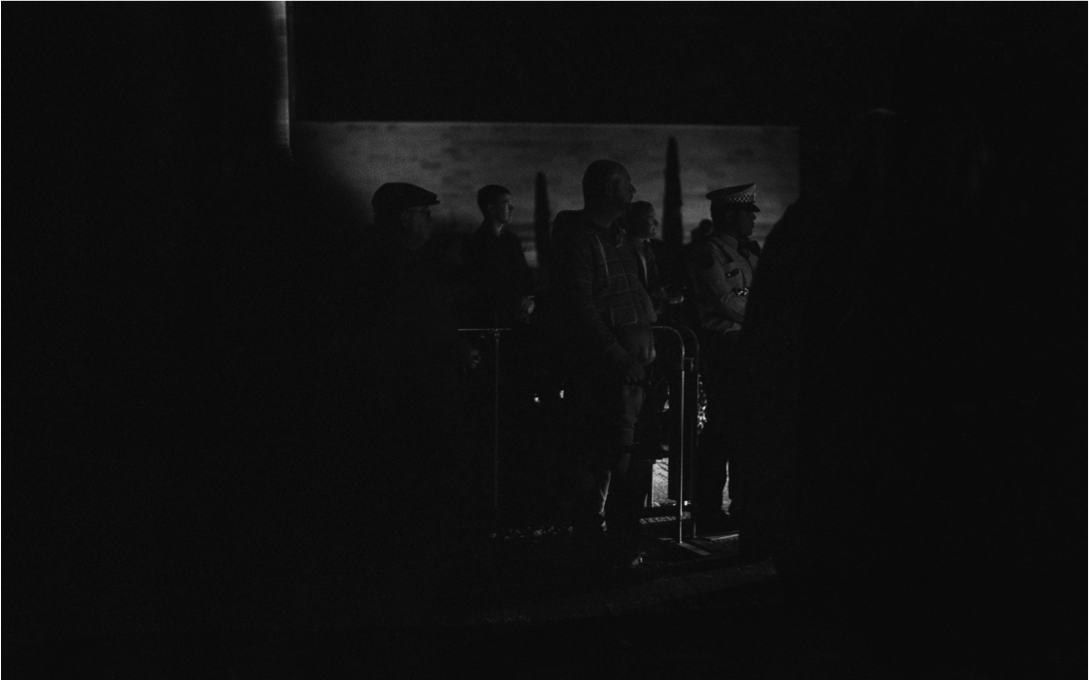
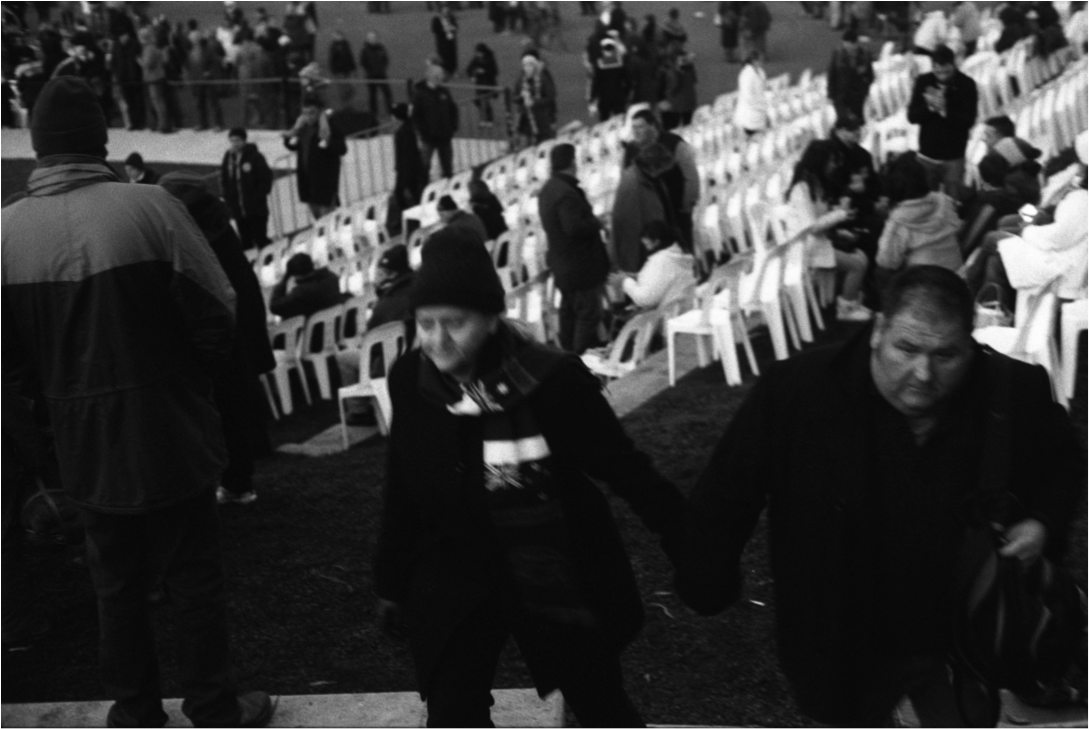
Anzac day is today seen by many as a defining point in our history. The mythology, often sprouted by politicians, claims that ‘the Australian nation was somehow forged on the shores and cliffs of Gallipoli’.[9] Detached from the immediate pain of the past, new meanings are wrought, invoking notions of mateship and national character. The growing gap between the lived memories of the past, and the present inserts itself into Anzac Day commemorations such as the Dawn Service. There is a strange general amnesia when it comes to the service’s formal proceedings. Very few in the crowd seem to know any of the songs, hymns or poems read out, and puzzlingly this ignorance seems to add further sanctity to the proceedings. There is continuity with the past even if we can’t quite grasp it. Attending the Dawn Service for the first time, I feel compelled to critique what I see as the problematic glorification of war. Yet when it comes to the ceremony’s proceedings, in particular the minute’s silence, I find that there is an undeniable solemnity in such quiet. Peace in such pause, from the madness of modern life. However, if silence, is here the ultimate mark of respect, why is there no silence for other moments in our shared history. Why is this moment our chosen moment? And who chose it?
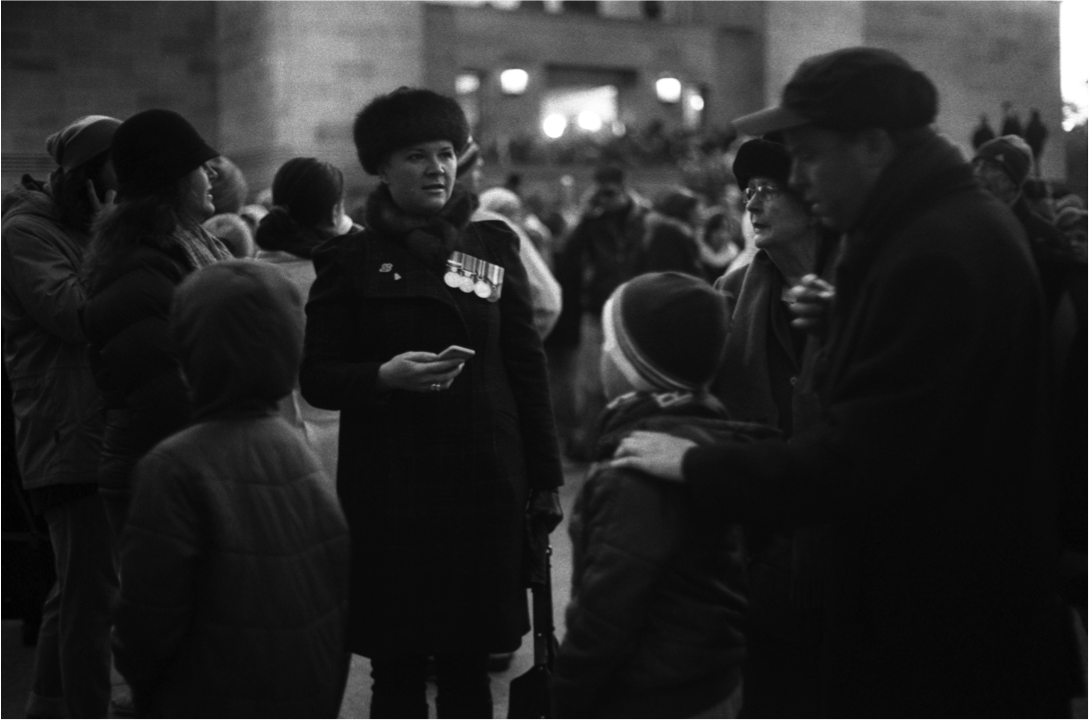
Perhaps it is the youthfulness of such abject and pointless loss. What Malouf describes as ‘a kind of horrified fascination with the wholesale slaughter of the First World War battlefields, and how young men endured it, and came back, when they did, to ordinary lives’.[10] I am normally highly agnostic to any veneration of war, and yet feel morbidly fascinated by the stories of soldiers from my own high school. What is it about their presence, so close to my own experience of youth through place, and yet separated by exactly a hundred years that draws me in? Four of them died at Gallipoli. Most of those who fought, whether they returned or not, were just 19. Exactly my age at the time of Anzac Day this year. What does it feel like, I wonder, to go to the end of the world? Never knowing whether you would see home again. This isn’t just the experience of soldiers though, I think. It is the stories of immigrants who have come to Australia, it is the story of Aboriginal and Torres Strait Islander people’s who were dispossessed of their lands, and of those who were taken away. Maybe such remembering is in fact, as Malouf puts it, a way of imagining we as non-Indigenous Australians have a longer history than we do, ‘that our roots in [time] are deep, not shallow’.[11]
Tellingly, when it comes to our collective history there are still some wars we choose to forget. Some wars where we choose an all encompassing silence over respectful remembrance. In recent years, recognition of the role that Indigenous servicemen and women played in the First World War, and since in the Australian Defense Force, has been rightfully incorporated into the Anzac Day proceedings. Yet, such recognition has occurred alongside the ongoing refusal to acknowledge the devastating impact of the frontier wars, of this country’s European settlement. Indigenous activist Michael Anderson explains, ‘What we need to do now is to keep identifying that there has been warfare; that blood has been spilt on the wattle; and there is an ongoing war of attrition against Aboriginal Peoples to this day’.[12] It seems that the easier option, the default that plays less heavily on the white collective conscience, is, however, to actively ignore the devastation accounting to war, that is well documented to have occurred on these lands. Until we overcome this annihilating silence, I will continue to feel personally uncomfortable accepting the institution of Anzac Day, and the singular public narrative that seems to accompany it.
David Malouf’s ‘The One Day’ and my experience attending the Dawn Service this year did however succeed in challenging some of my former notions of Anzac Day. His largely positive evaluation of Anzac Day reminds me that ‘for some, it is a way of mediating on the folly of war itself’.[13] Perhaps it is the idea of collective suffering or remembering on the day that grabs me most. This flexibility to make of the service what you wish. It is what Malouf sees as the possibility for people ‘to make a focus of whatever feelings and beliefs they need to express privately or in common’.[14] Of course we remember other wars today too, not just World War I. I remember a grandfather I never knew, died by suicide after World War II. As Malouf said, more than 10 years ago now, ‘it will be the photographs of long dead soldiers and their medals paraded like tribal relics or fetishes that will endure’,[15] and maybe it is this endurance, and a sense of continuity with the past, that keeps us coming back for more.
[1] See Malouf, D. (2003). The One Day, Collingwood, Black Inc, 1.
[2] Malouf, D. (2003). The One Day, Collingwood, Black Inc, 4.
[3] Malouf, D. (2003). The One Day, Collingwood, Black Inc, 10.
[4] See Daley, P. (2015). ‘Anzac Day should be quarantined from politicians – a solemn moment to reflect on the agony of war’, The Guardian, 23.04.15.
[5] Daley, P. (2015). ‘Anzac Day should be quarantined from politicians – a solemn moment to reflect on the agony of war’, The Guardian, 23.04.15.
[6] Malouf, D. (2003). The One Day, Collingwood, Black Inc, 13.
[7] Malouf, D. (2003). The One Day, Collingwood, Black Inc, 14.
[8] Malouf, D. (2003). The One Day, Collingwood, Black Inc, 15.
[9] Daley, P. (2015). ‘Anzac Day should be quarantined from politicians – a solemn moment to reflect on the agony of war’, The Guardian, 23.04.15.
[10] Malouf, D. (2003). The One Day, Collingwood, Black Inc, 29.
[11] Malouf, D. (2003). The One Day, Collingwood, Black Inc, 27.
[12] Malouf, D. (2003). The One Day, Collingwood, Black Inc, 27.
[13] Malouf, D. (2003). The One Day, Collingwood, Black Inc, 37.
[14] Malouf, D. (2003). The One Day, Collingwood, Black Inc, 37.
[15] Malouf, D. (2003). The One Day, Collingwood, Black Inc, 38.
Further Reading
demos journal acknowledges the Ngambri and Ngunnawal people on whose lands this journal is made and imagined. Sovereignty of these lands was never ceded. Always Was Always Will Be Aboriginal Land.
Web Design by Rio Ramintas
Build by Charlotte McLachlan
demos journal © 2026. All Rights Reserved.


