
The following is a summary of an interview with Banan Al-Hubani on the 19th of September 2025. Banan is a Palestinian-Australian mum of three children who moved to Canberra in 2009. Professionally, she works as an auditor, but also runs a food business called “In the Kitchen” because she loves cooking and sharing her culture through food.
I became involved with the student Encampment by cooking and providing meals. This was my way of thanking the students for standing up for Palestinian rights. Many in my community feel they can’t speak out about what is happening in Palestine due to concerns about their own visas, jobs, or personal safety, so I wanted to support the students who could raise their voices for us and for our people. The students became the group that we needed as a community, as we couldn’t stand out and speak up about what was happening. Many in my community could only stay in the shadows so they could protect themselves from being impacted too negatively. We wanted as a community to support the students and the Encampment in any way that we could as they were doing something we wanted and needed.
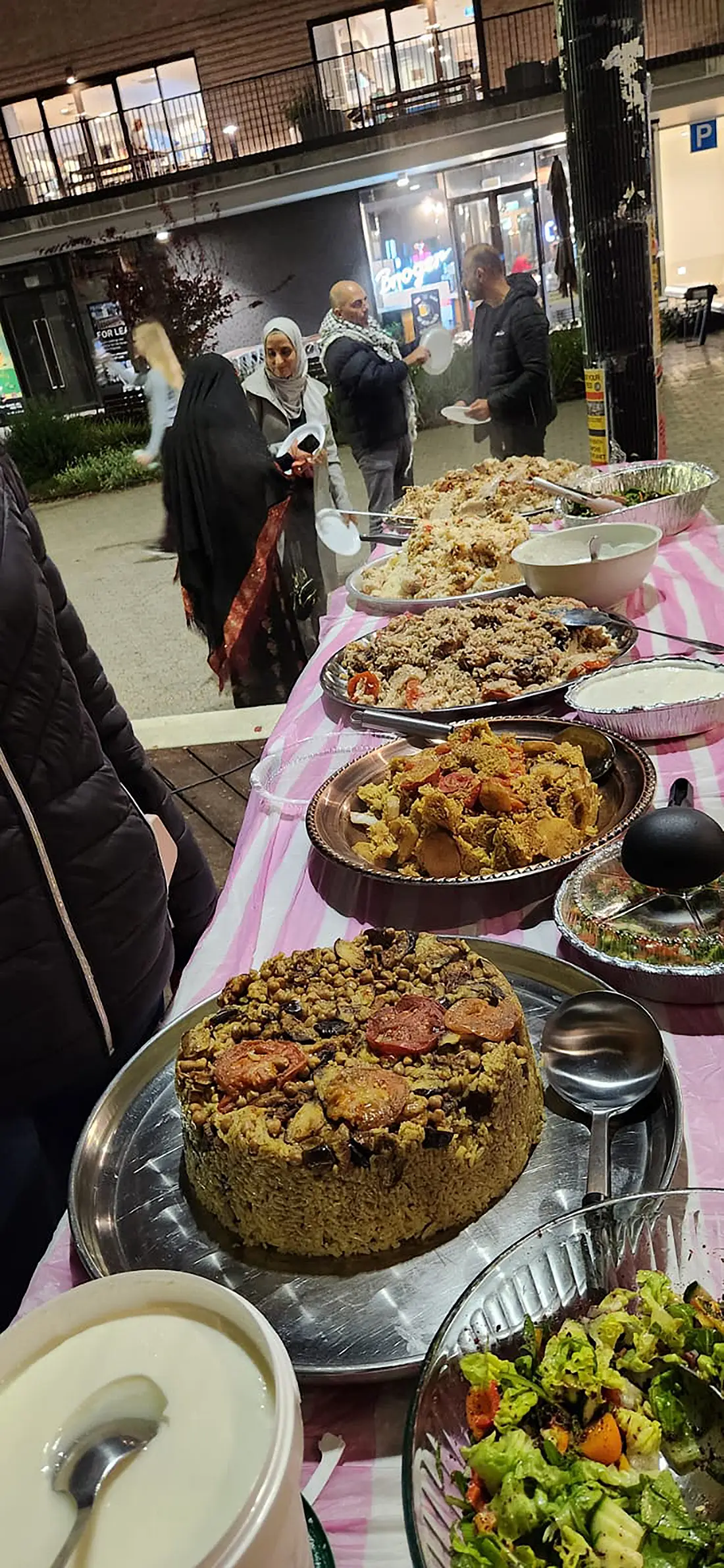
I loved sharing Palestinian food and culture with the students and the wider community. I made sure to cook a variety of dishes, including vegetarian, vegan, and gluten-free options, so everyone could be included. These meals brought people together, and I cherished the sense of community, especially when we connected with the Aboriginal Tent Embassy. The Tent Embassy came to support the Encampment and I was so thankful to be able to cook for them and that they tried Palestinian food. They were so thankful and invited us to the Tent Embassy to try their food as a thank you. Talking with the people from the Aboriginal Tent Embassy was important because they feel and understand what we as Palestinians also feel. They have faced similar situations as us, their land has been stolen and they have also been killed by their occupier. Palestinian people and Aboriginal people have suffered the same and our relationship with them is so important to us.
A strong memory I have of sharing Palestinian food and culture was when we had Maqloubeh day. Maqloubeh day was wonderful, we shared multiple versions of Palestinian Maqloubeh dish. Translated it means upside down, so you cook chicken or vegetables on the bottom with rice and spices and then once it is cooked you flip it upside down to serve. We played Palestinian songs, danced Dabke and all the community and the students were very happy. I feel so fortunate to have this memory and I miss the students and cooking for them so much.
I was disappointed by how the university treated the students. I felt their actions were unfair and punitive, especially since the students were peaceful and only wanted to express their beliefs. The university should have listened and engaged in open dialogue instead of punishing them. We live in Australia and it is our right to say what we believe, but the university punished the students and sent them to another area, moving the Encampment. They also kicked some of the students out and punished them. These students did not deserve to be punished, because they are staying on campus with clear demands, they did not destroy or harm anything. They are just normal students and only protesting. The university should not have managed them in this way.
Looking back, I deeply value the unity and togetherness the Encampment created. I miss those days of gathering and sharing and the environment that we created. I feel sadness over the loss of activism in my community and hope we can come together again. I also carry personal grief from losing family members in Gaza, and I hope for more solidarity and action from both the Palestinian and broader Australian communities.
demos journal acknowledges the Ngambri and Ngunnawal people on whose lands this journal is made and imagined. Sovereignty of these lands was never ceded. Always Was Always Will Be Aboriginal Land.
Web Design by Rio Ramintas
Build by Charlotte McLachlan
demos journal © 2026. All Rights Reserved.


